
Limited Space Urban Farming Initiative (LSUFI) for Household Food Security, Livelihood and Community Empowerment
Introduction
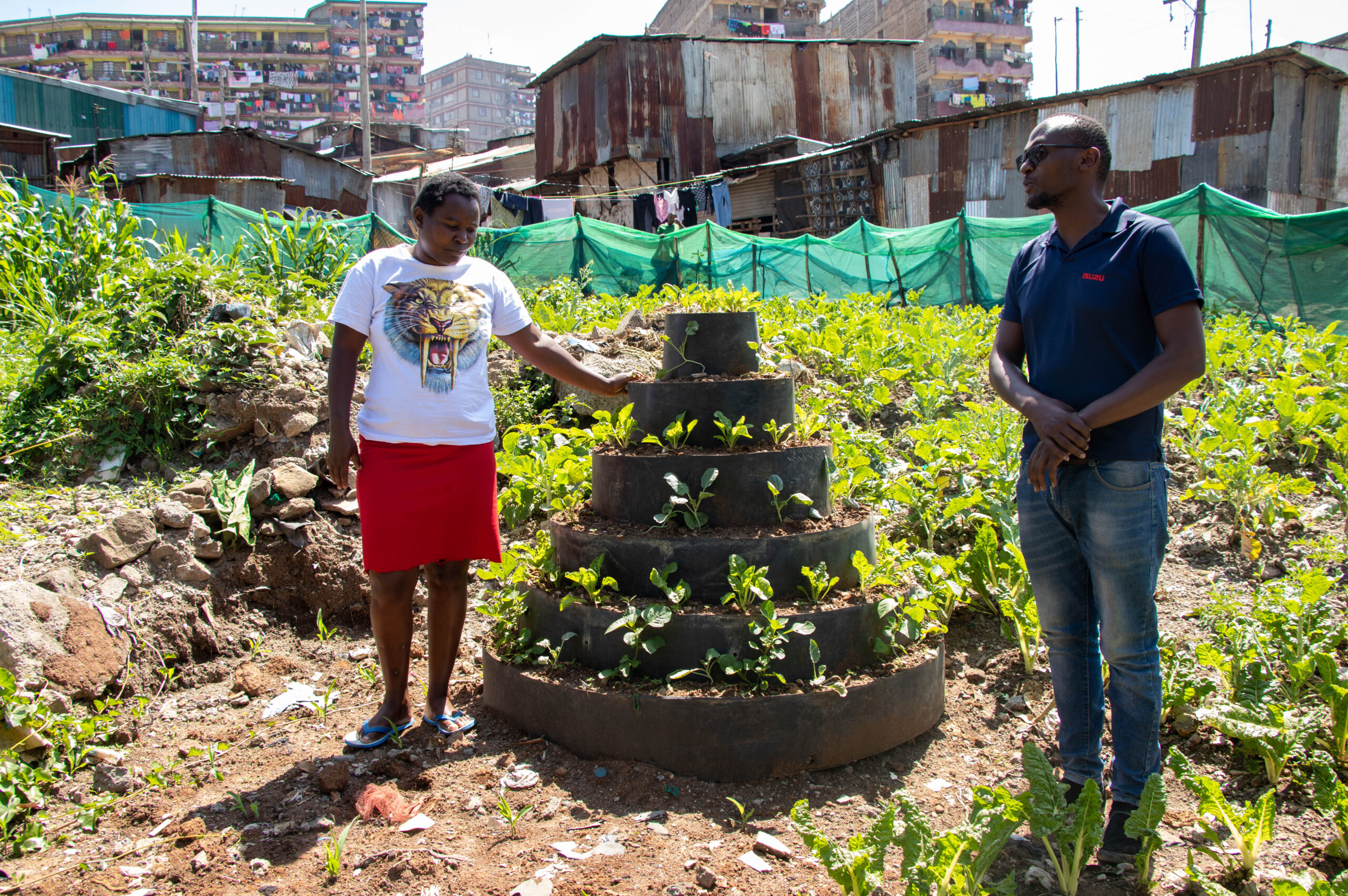
Urbanization is rapidly transforming landscapes across the globe, and Kenya is no exception. In cities like Nairobi, Kisumu, and Mombasa, rapid urban growth has led to the proliferation of Low-Income high Density (LIHD) residencies. These urban settlement areas are characterized by high population density and limited access to fresh, safe and nutritious foods. Despite these challenges, LIHD residencies also represent untapped potential for innovative solutions in household food security and livelihood empowerment.
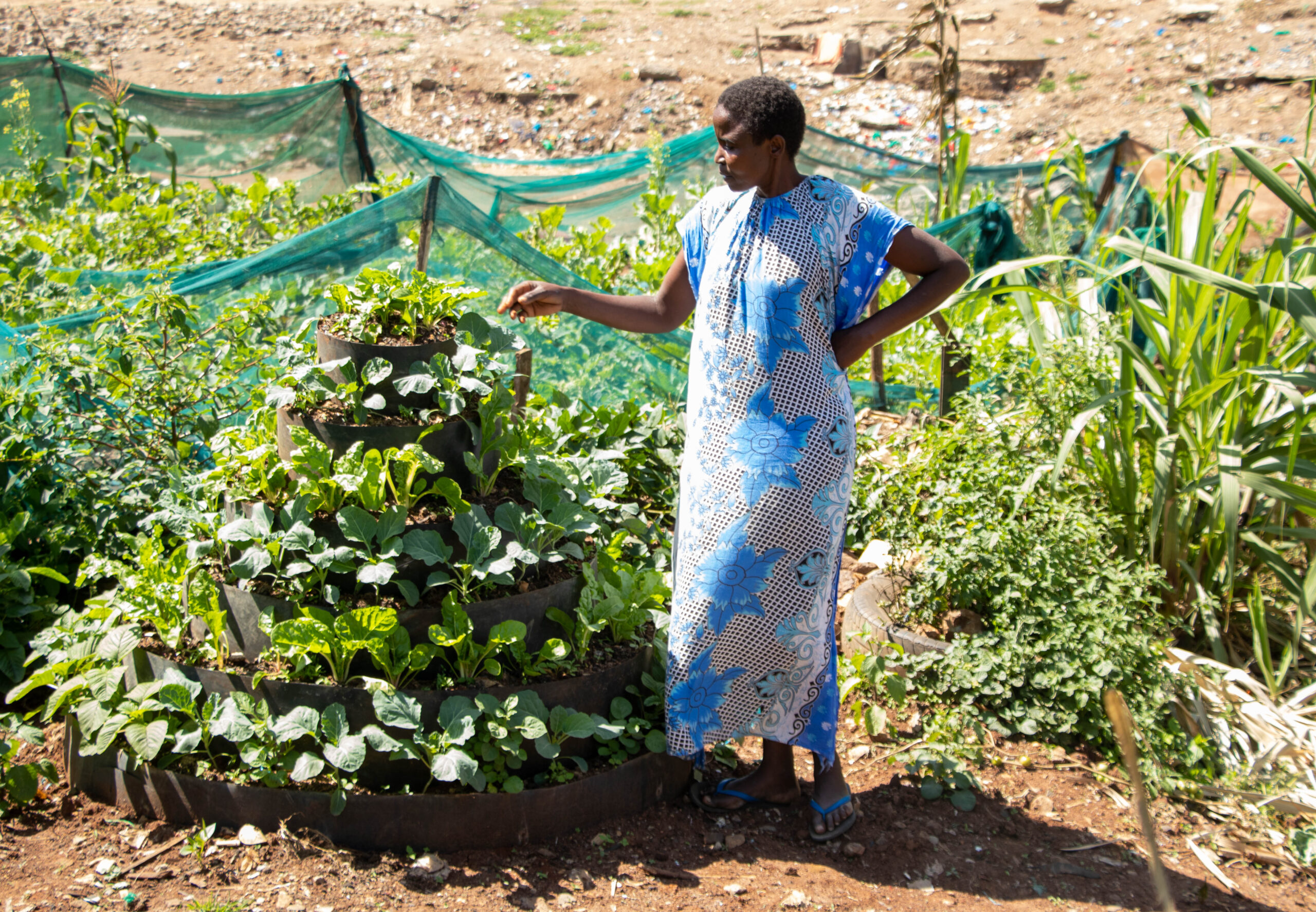
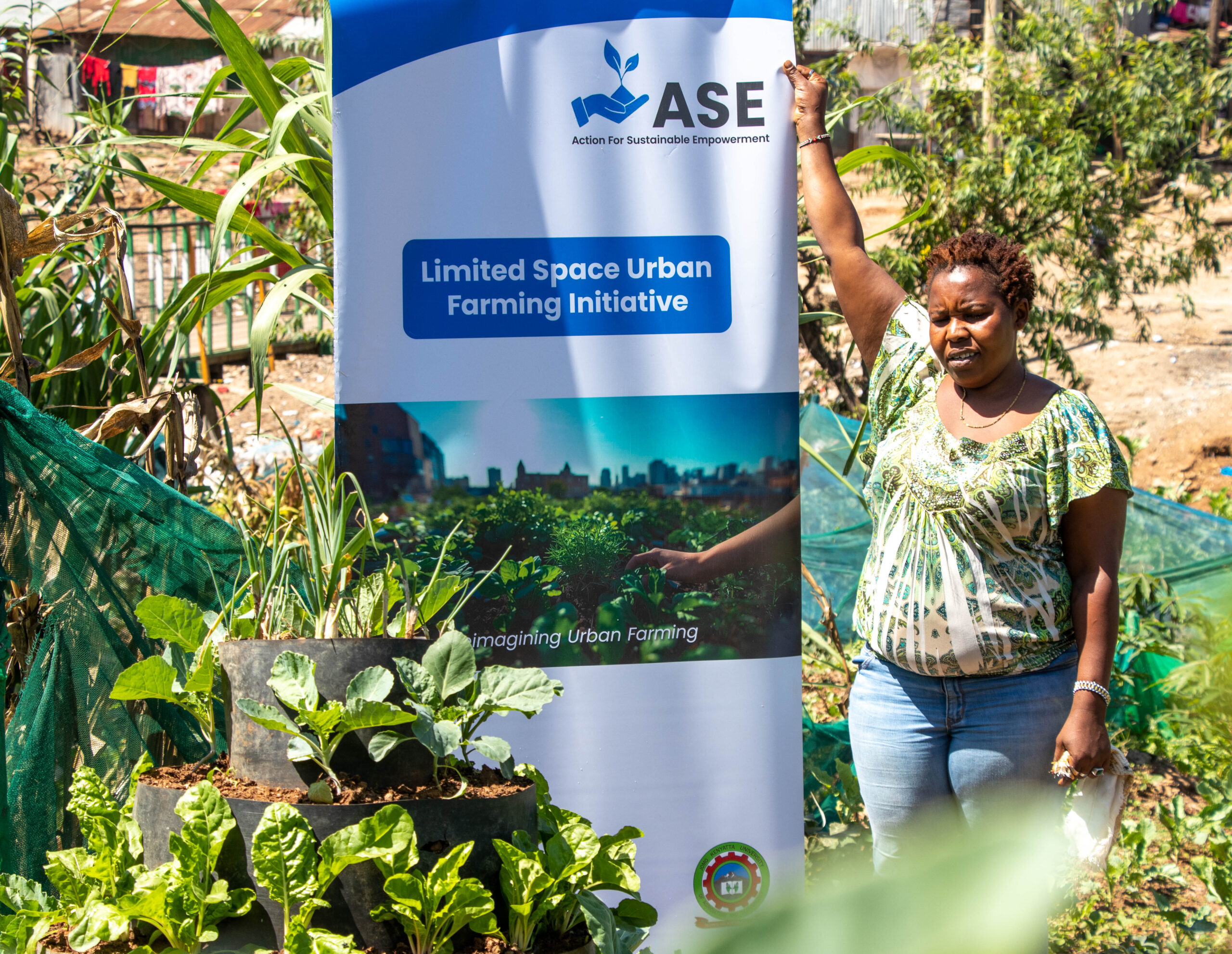
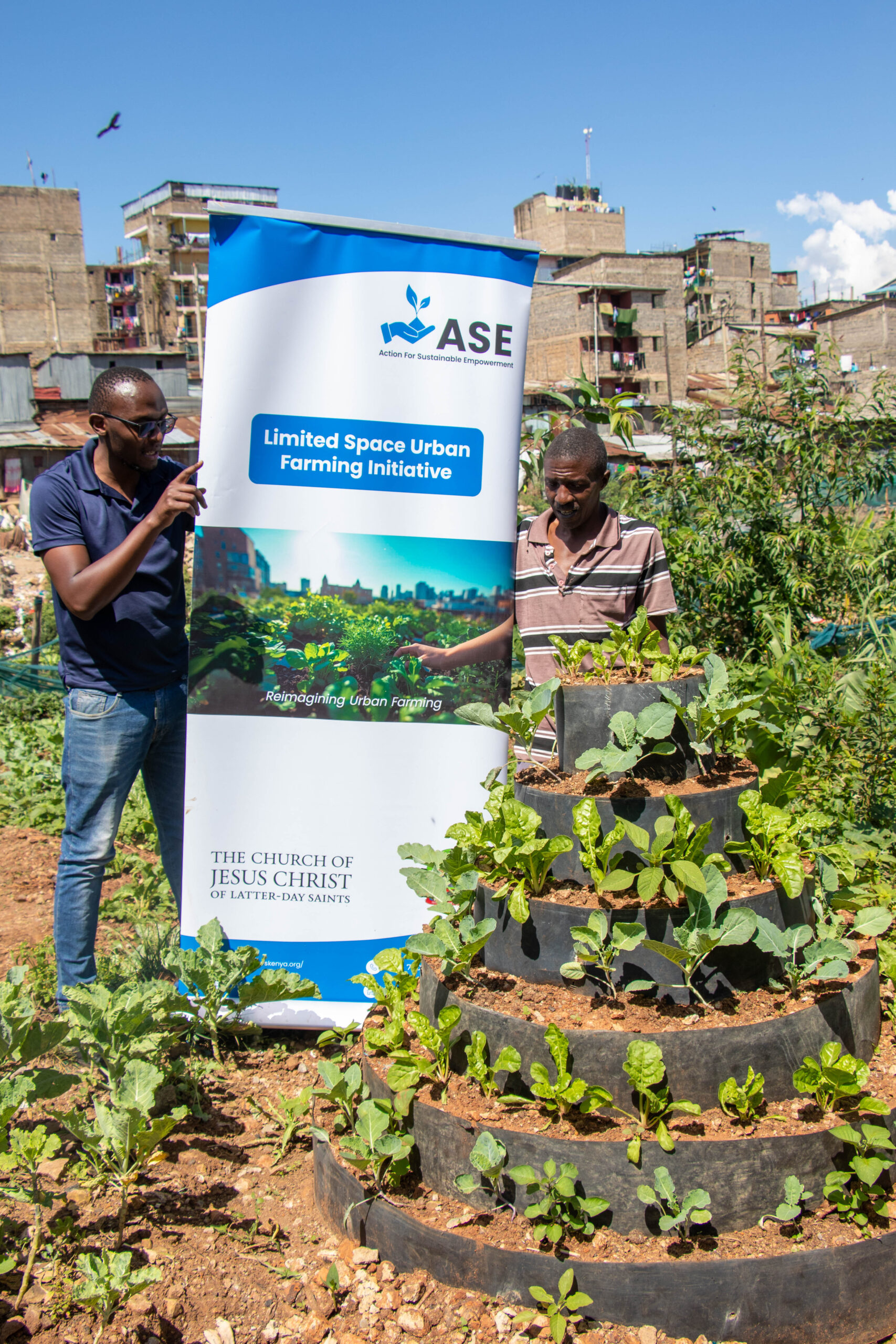
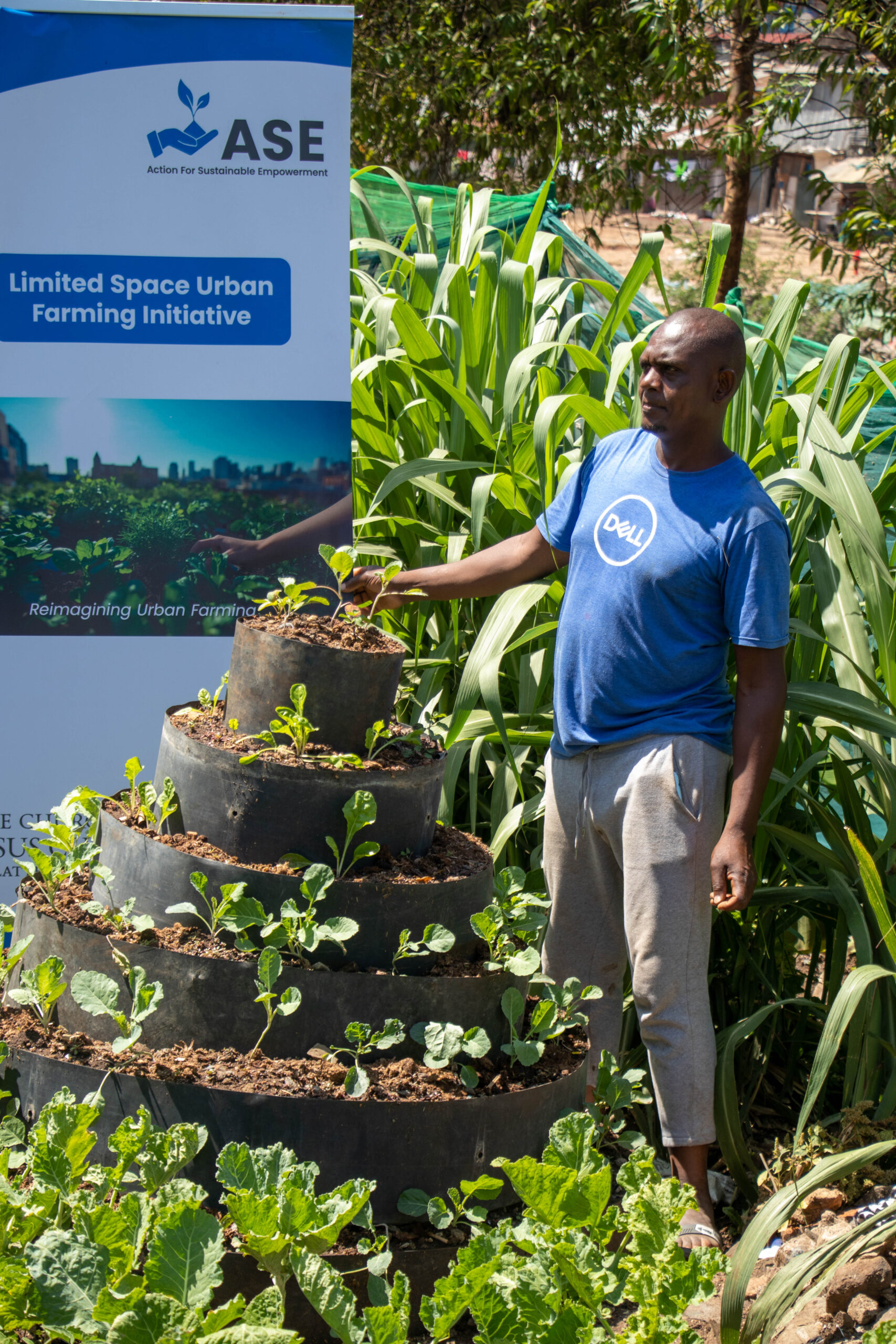
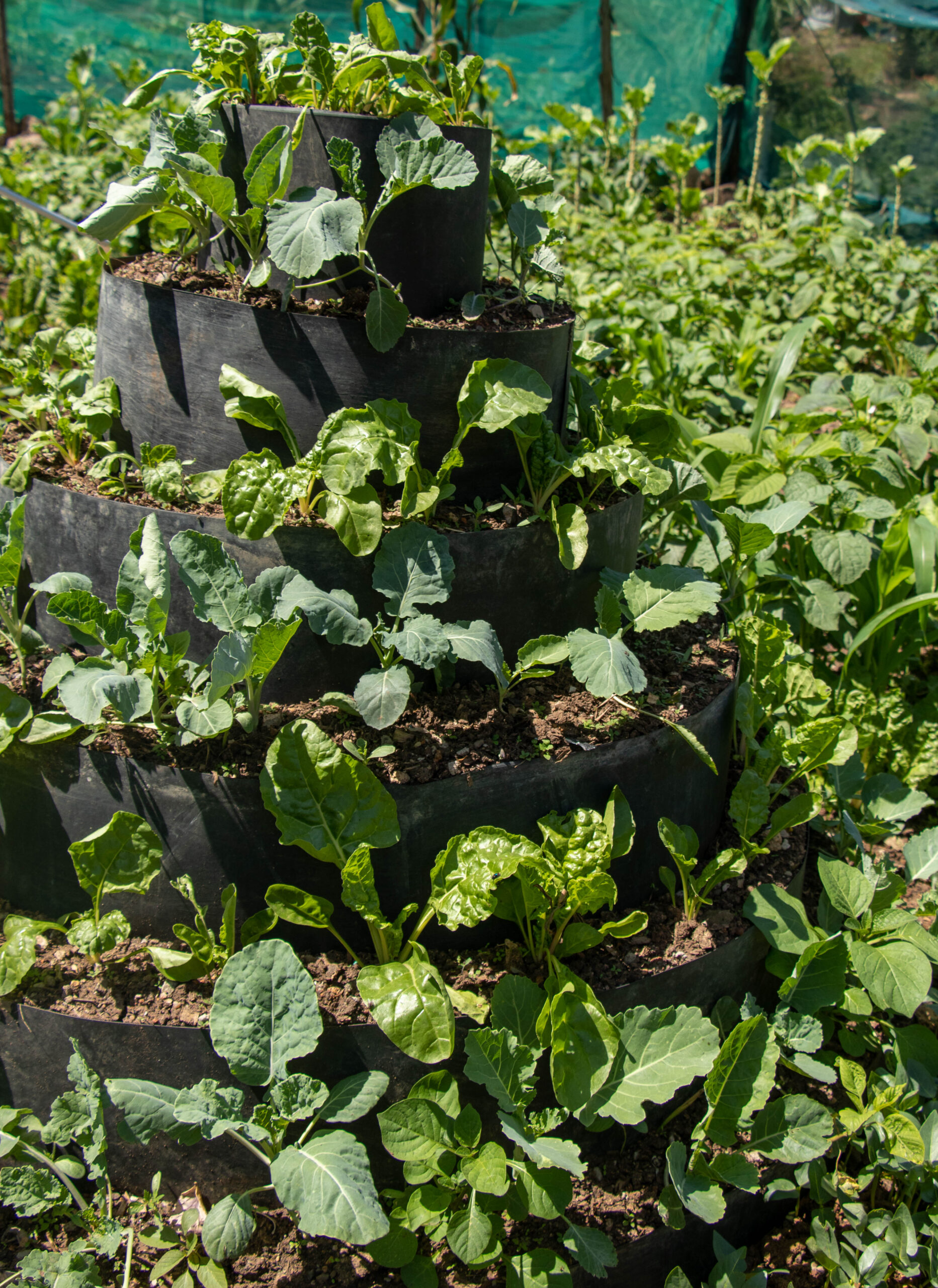
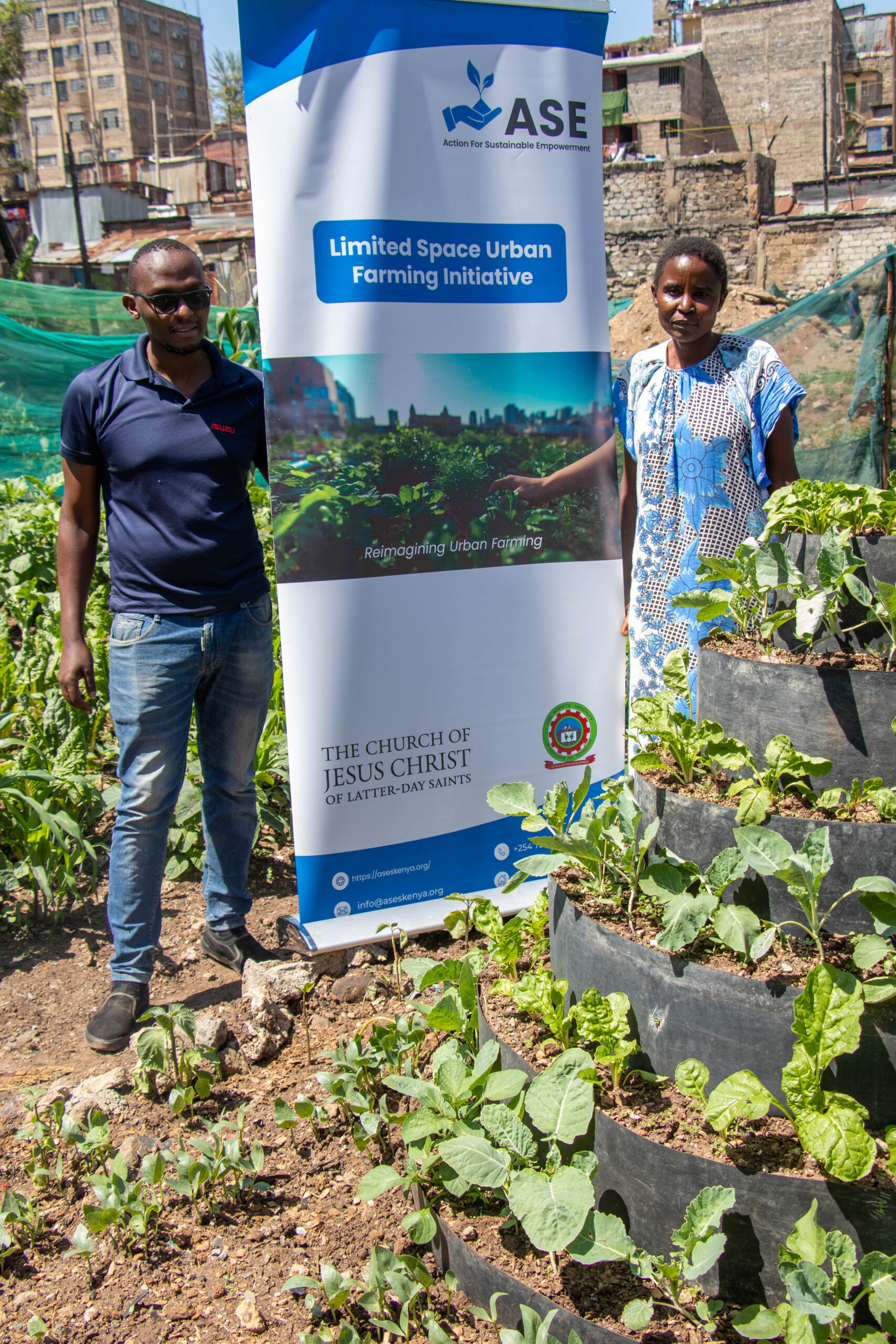
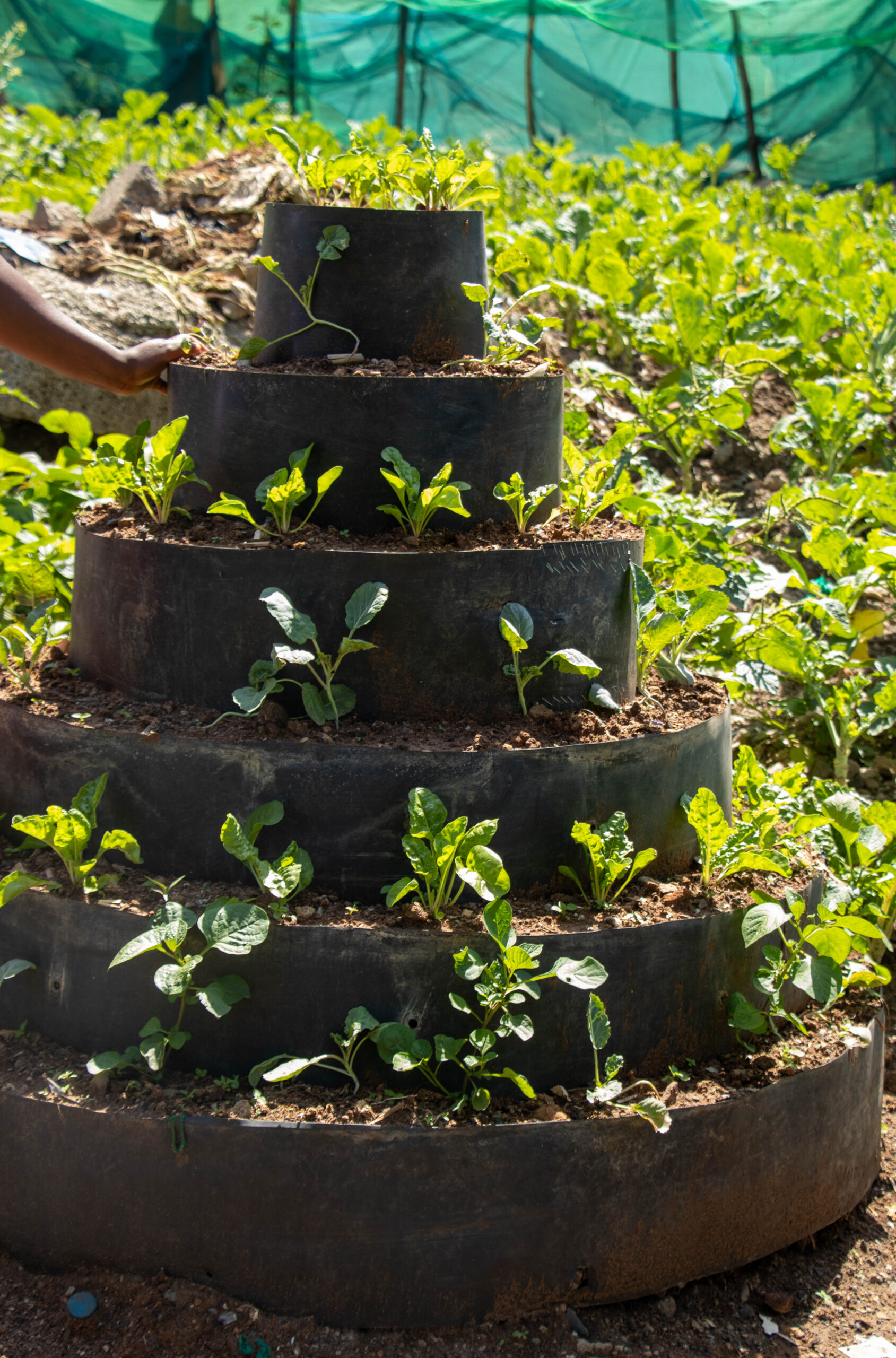
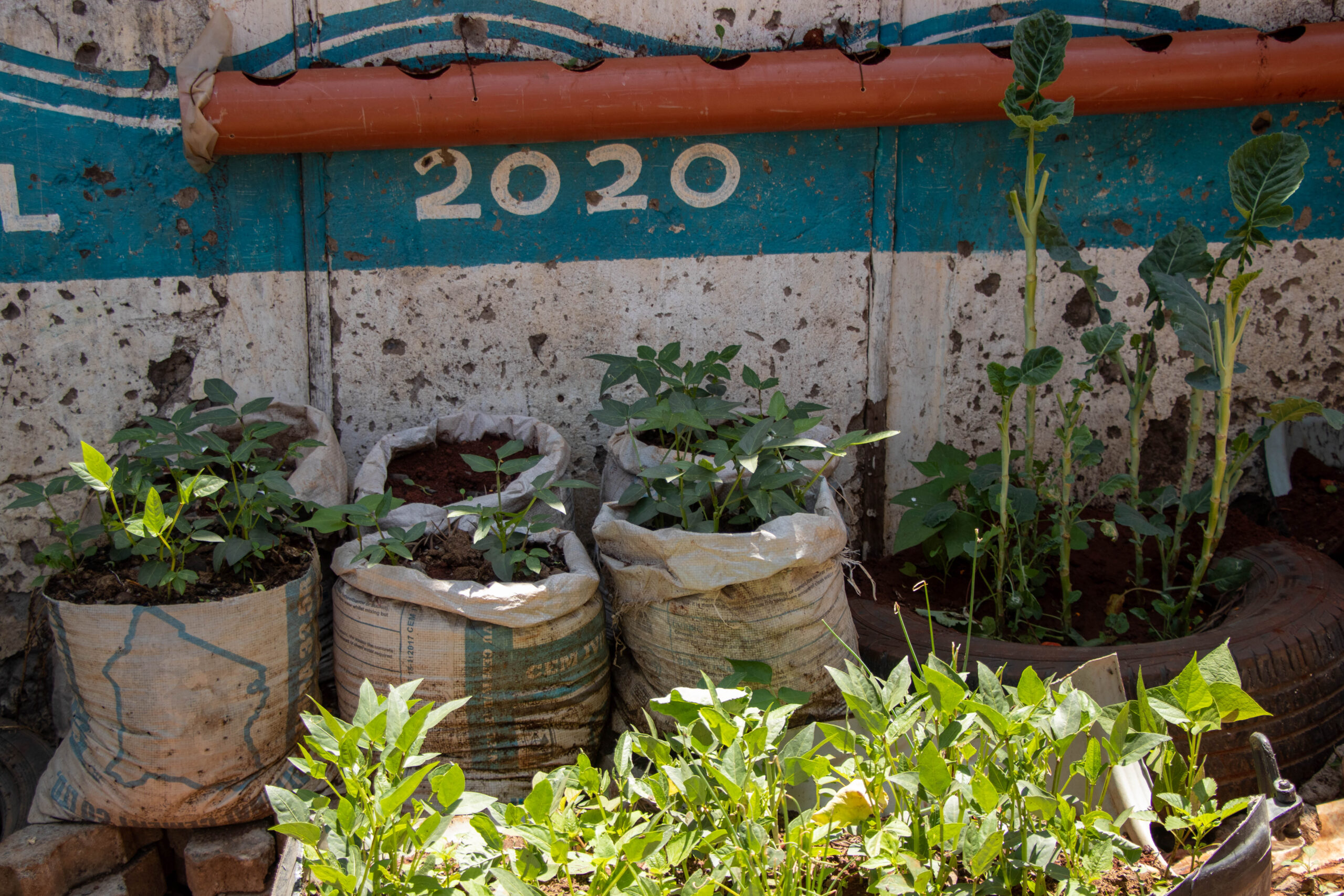
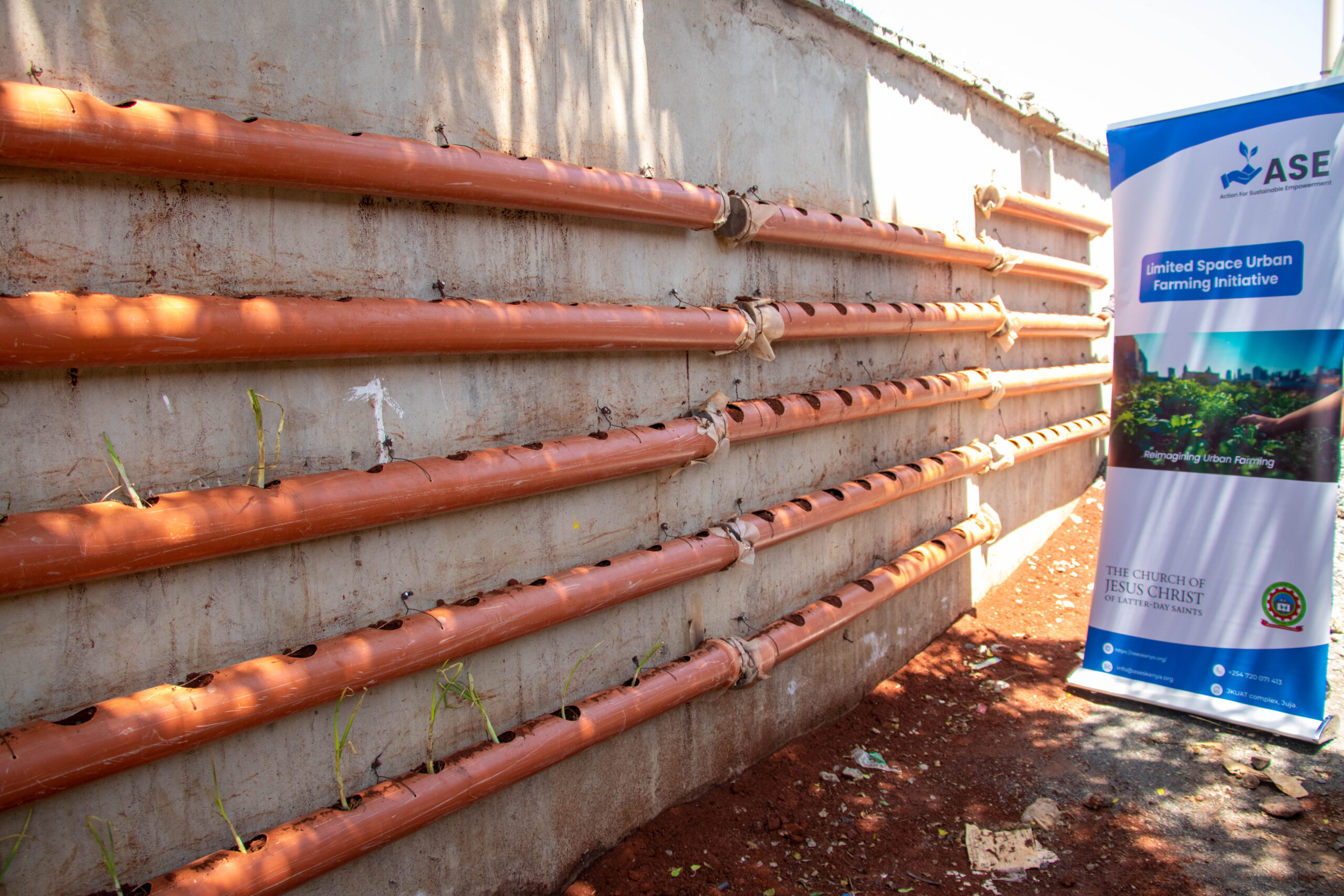
This concept therefore proposes to pilot the establishment of an innovative Limited Space Urban Farming Initiative (LSUFI) targeting households in Kenya’s LIHD residencies. The idea is to support households establish and manage innovative fruits and vegetable gardens, chicken and rabbit rearing on their kitchen gardens and balconies. We will also capacity build the households to establish cottage enterprises where they will process their garden produce to high value products such as juices, jams, meat, eggs etc. and sell them for profit. JKUAT will be responsible for establishment of urban gardens using technologies developed at the university while ASE Organization will be responsible for overall management of the project in partnership with other stakeholders, establishment of local community linkages, community mobilization, value addition trainings and follow-ups. By addressing food security, environmental sustainability, and economic inclusion, the initiative aims to transform these urban areas into hubs of innovation and resilience.
Objectives
Promote Food Security
Enhance urban food production to meet the growing demand for fresh foods which have high nutritional value and are safe.
Househould Empowerment
Provide training, mentorship, and resources to enable households to establish urban farming ventures.
Environmental Sustainability
Promote sustainable farming practices that minimize water usage, reduce carbon footprints, and recycle urban waste.
Economic Inclusion
Create pathways for households to generate income through farming and value-addition cottage enterprises.
Gallery